
Event Staffing Cost Factors in Bangalore
What actually drives event staffing cost in Bangalore — role mix, shift length, headcount, venue distance, supervision scope and lead time — and how to compare quotes.
Fast quotation turnaround — itemised staffing proposals typically within 2 working hours, subject to receiving complete event requirements.
Send your briefEventEdge Staffing
Event manpower services put dependable people on your show floor — registration teams, stand support, marshals, material handlers and relief staff — for build-up days and show days. This page covers where manpower is actually used, how shifts are planned and what to demand from a supplier. Send your event requirements and an itemised quotation is typically returned within two working hours.
The figures below are planning estimates only, offered to help you draft a manpower requirement. They are not a quotation and not a guarantee of any outcome. Final headcount is confirmed after reviewing your event brief, hall layout, footfall expectation and shift pattern.
| Exhibition or event scale | Indicative manpower planning guide |
|---|---|
| Single hall, up to 50 stands | 10 to 15 crew for registration, gate and floor support |
| Two to three halls, 50 to 150 stands | 25 to 40 crew plus one hall supervisor per hall |
| Build-up and pack-down days | 8 to 20 crew per day depending on material volume |
| 400 to 800 visitors per hour at entry | 2 registration counters plus 1 marshal per queue lane |
| Multi-day show, 12-hour days | Crew split into two shifts with a written handover at changeover |
Organisers often underestimate the volume roles. Registration counters, entry gates, hall direction, delegate kit distribution, material movement and stand support all run in parallel, and each needs a person present for the full show day.
Most manpower problems on a show floor trace back to allocation rather than numbers. If crew are not told which hall or gate they own, they cluster where the crowd is and leave the far end of the floor unmanaged.
A roster that names the zone, the shift and the supervisor fixes most of this before the gates open.
Day one carries the heaviest registration load, so counter staffing is normally front-loaded. Middle days settle into a steady flow with more floor and stand support, and the final day needs a pack-down plan.
Shift design matters more than total headcount. A twelve-hour show day is usually two shifts with a handover, which protects service quality at the counters during the busiest hours.
We plan the roster against your hall list and footfall expectation, then confirm the headcount in writing before deployment.
Ask for the roster in writing before deployment day, with names, shifts, roles and reporting points. A supplier who cannot show you the allocation has not finished planning.
Ask how same-day absence is covered. Show floors cannot wait, and the answer should describe who steps in and how quickly the coordinator is informed.
Ask for attendance records at the end of each day. It keeps invoicing honest and gives you a factual record of who was on site.
Manpower usually refers to volume crew for show floors, gates, counters and material handling, while staffing often refers to guest-facing roles such as hosts, ushers and hospitality. EventEdge Staffing supplies both from the same roster, so you can book them together.
Yes. Build-up and pack-down days are quoted separately from show days because the work, hours and safety requirements differ. Crew volume is planned around material volume and lift access.
Long show days are split into shifts with a written handover and a planned break rotation, so counters and gates are never left unattended.
Yes. Larger deployments include a coordinator or hall supervisor on site for the full shift, and that person is your single point of contact for attendance and escalations.
Planning notes
What actually drives event staffing cost in Bangalore — role mix, shift length, headcount, venue distance, supervision scope and lead time — and how to compare quotes.
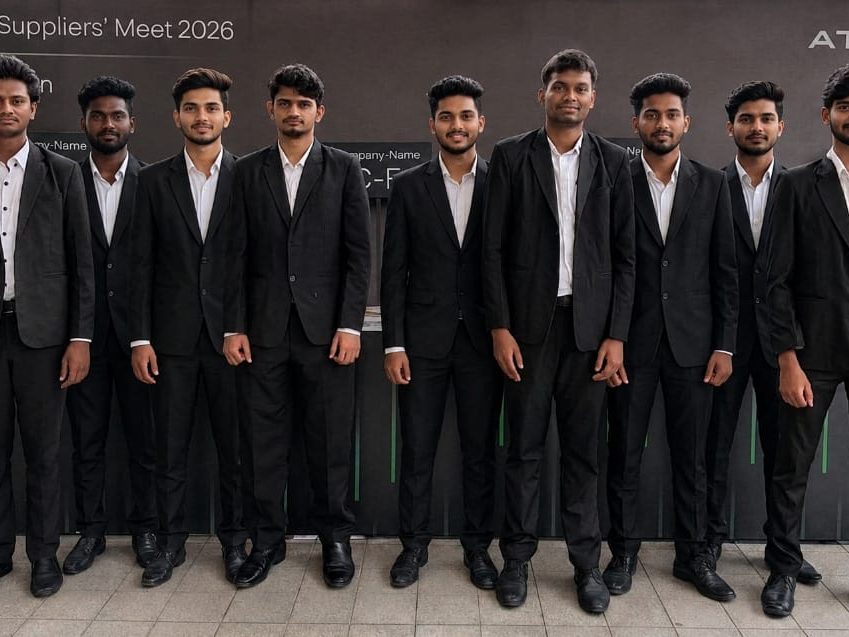
Trade shows are staffed to a different standard than conferences: higher volumes, longer days, tighter compliance. These are the seven requirements to meet before day one.
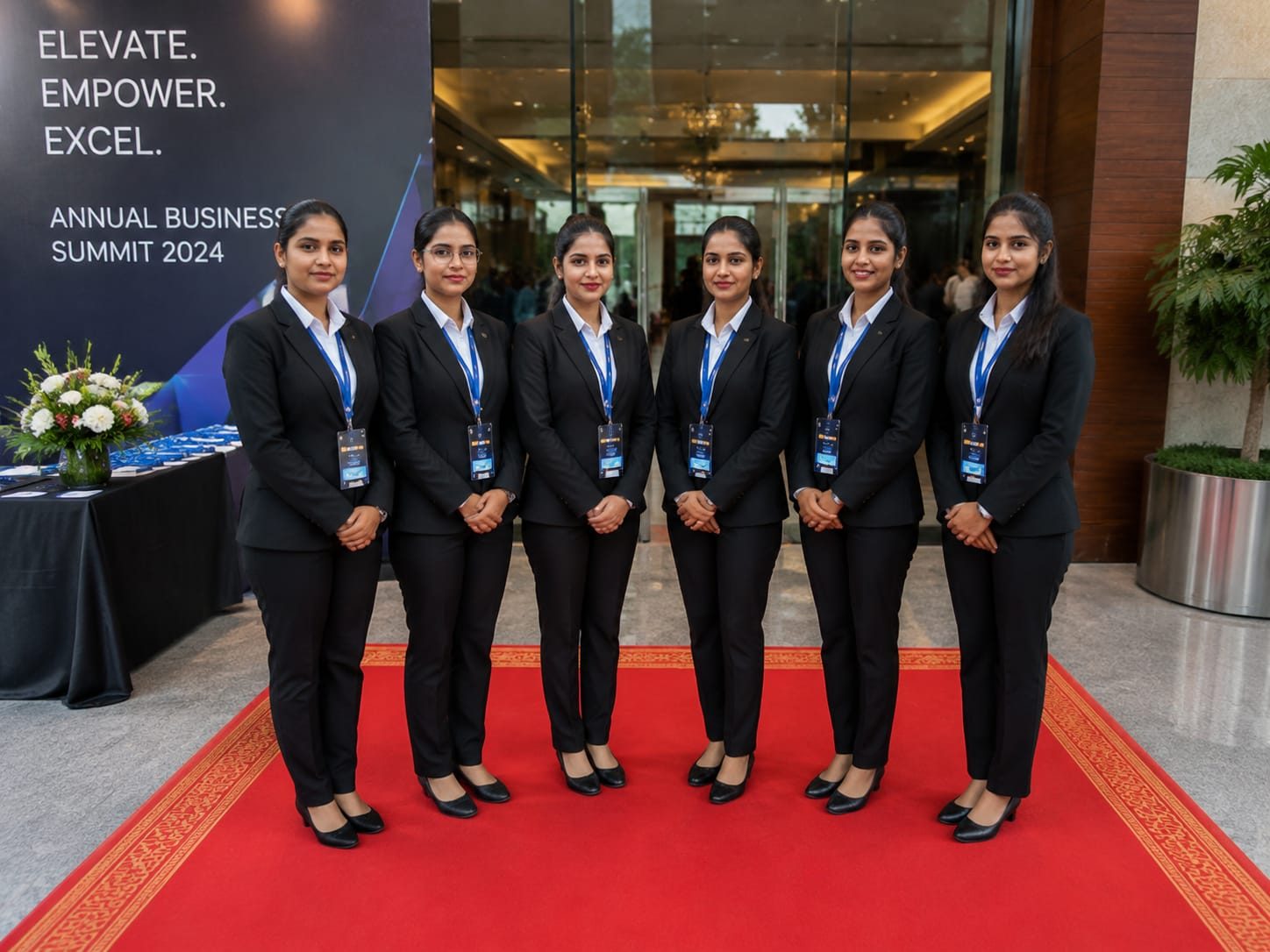
The briefing is what separates a deployed crew from a list of names. Here is what every pre-deployment briefing must cover, and how to run it consistently at scale.