The short answer: a managed workforce or a list of names
With freelance crew you are buying individuals. You build the list, confirm each person, brief them, chase them on the morning and manage them on the floor. With an event staffing agency you are buying a managed workforce: recruitment, verification, briefing, uniforming, on-site supervision and replacement cover all sit with the agency, and you deal with one coordinator.
Neither model is automatically right. Freelancers can be excellent value when you need three specific people you already trust. An agency is usually the better structure once the requirement involves mixed roles, a fixed reporting time, a uniform standard or enough people that a single no-show becomes visible to guests.
The decision is not really about rates. It is about who carries the coordination risk on event day.
What each model actually includes
A freelance day rate covers a person's time on site. Everything around that person - sourcing, negotiation, confirmation, briefing, uniform instruction, supervision and replacement - is work that has to happen somewhere.
An agency quotation covers the same person's time plus that surrounding work. That is why agency rates look higher per head and frequently look lower per event once the hours you would have spent coordinating are counted properly.
The practical comparison comes down to who absorbs the coordination when something changes. An agency quotation prices the management of the crew as well as their attendance, which is why a side-by-side comparison against a day rate rarely settles the decision on its own. Compare both models on the same requirement before you commit.
| Decision factor | Choose freelance crew | Choose a staffing agency |
|---|---|---|
| Team size | A handful of trusted people | Mixed roles at scale, up to several hundred |
| Coordination capacity | You have a dedicated manager free that week | Nobody free to manage confirmations |
| Role type | A specific technical or niche skill | Front-of-house roles that follow a repeatable standard |
| Uniform and brand standard | Not critical, or you control it easily | Must be identical across the whole crew |
| Replacement risk | Acceptable - the plan survives one absence | A no-show would be seen by guests |
| Repeat need | One-off, unusual requirement | Recurring events and seasonal peaks |
The real cost of freelancer coordination
Coordination is invisible on a rate card and very visible in a calendar. For a fifteen-person freelance crew you are typically handling fifteen confirmations, fifteen briefing calls, uniform instructions, a reporting list and a roll call on the morning.
At six people that is a morning's work. At sixty it becomes a second job during the week you can least afford one, and it is the week your client is also asking for last-minute changes.
The calculation that matters is not the day rate multiplied by headcount. It is that number plus the hours your team spends becoming a staffing agency for a week.
- Confirming attendance and chasing non-responses
- Repeating the same briefing call for every individual
- Explaining the uniform, then policing it on site
- Running the roll call and covering absences yourself
- Fielding every question from every person, all day
Where freelance crew genuinely win
Freelancers are not the weaker option. For the right requirement they are the sharper one, and a good agency will tell you so rather than sell you a crew you do not need.
They are strongest where the skill is specialised and personal, where the relationship already exists, and where the event is small enough that coordination stays inside one person's head. They are also useful for a single short shift where the briefing overhead would exceed the role itself.
If you already work with a promoter, a host or a photographer's assistant who understands your brand, there is no reason to replace that relationship. Build the plan around them.
- Niche skills and specialist roles you already trust
- Very small crews where coordination stays manageable
- One-off or exploratory events with no fixed standard
- Client-mandated individuals or long-standing relationships
Where an agency wins
An agency earns its place when consistency and cover matter more than the lowest per-head rate. That is the case for most corporate events, exhibitions, award nights, weddings and brand activations.
Volume is the obvious advantage: a bench of 100+ professionals on call can be shaped into a 5-person team or a 500-person crew without rebuilding a contact list. The less obvious advantages are standardisation and supervision - the same briefing, the same uniform standard and a named coordinator who owns the floor.
For roles that face your guests, that standardisation is the product. A registration team that has been briefed to one script behaves the same at gate two as at gate five.
- One coordinator instead of sixty conversations
- Consistent briefing and uniform across every crew member
- Bench replacements when someone does not report
- Scalable headcount without rebuilding a list
- Itemised quotations mapped to roles, days and shifts
Risk, no-shows and what happens at 8am
The moment that separates the two models is a crew member not arriving. With freelance cover, you either absorb the gap or start calling contacts at 8am while your client watches the registration desk.
With an agency, replacement comes from people who already know the brief and the uniform standard. It is the single most under-priced part of an agency quotation, because it is paid for on the days when nothing goes wrong.
Ask any partner to describe their replacement process in specific steps - who is called, how quickly, from where, and how the replacement is briefed. A vague answer is the answer. The cost of cover is invisible on the days when it works and very obvious on the day it does not exist.
Briefing and uniform consistency
Guests do not compare your crew to your competitors' crew. They compare gate one to gate four. Inconsistency reads as disorganisation, and it usually comes from a crew that was briefed individually rather than together.
Freelancers arrive with their own understanding of what a host or an usher does, which is fine until two of them disagree in front of a guest. An agency briefs to a standard, issues the uniform to that standard and checks it before deployment.
If your event has a brand guideline, a dress code or a sponsor zone with rules, that standard has to be enforced by someone. An agency makes it the crew's baseline rather than your instruction of the day.
- One written role standard for every position
- Uniform issued and checked before deployment
- A single escalation path the crew already knows
- Guest-facing answers agreed in advance
The hybrid model most organisers settle on
In practice the choice is rarely absolute. The common structure is a small freelance core for the roles that need a specific person, plus an agency crew for registration, hospitality, ushering, crowd management and logistics.
That combination gives you continuity where it matters and volume where you need it. The agency coordinator can brief both groups together so that the freelance core is working to the same standard as the deployed crew.
This is also how multi-city events are usually staffed: the trusted freelance host travels with the programme, while the front-of-house crew is engaged locally in each city.
Whichever structure you choose, keep one crew briefing and one escalation path, or the two groups will behave like two different suppliers sharing the same floor.
How to decide in five minutes
Work down the requirement rather than the rate card. If your answers cluster in one column, the model is already decided.
Then pressure-test it. If the plan depends on every single person turning up, on your team being free all week, or on a briefing that only exists in your head, the freelance column is a risk you are carrying, not a saving you are making. Write that answer down; it settles the model faster than any rate comparison.
- How many distinct roles does this event need?
- Who is free to manage confirmations and roll call that week?
- Does the crew face guests, and must they look identical?
- What is the plan if one person does not report?
- Will this event repeat, or is it a one-off?
Where EventEdge fits
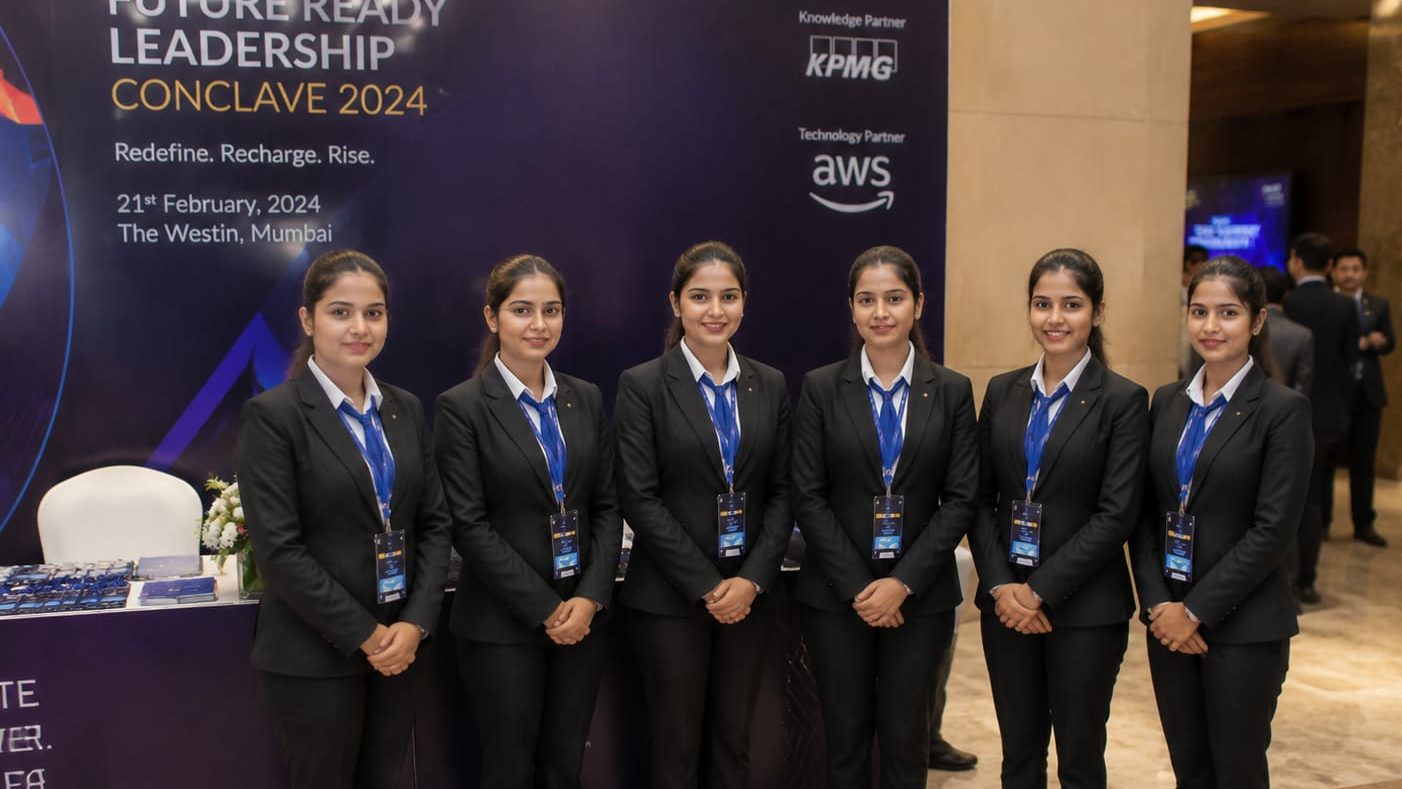
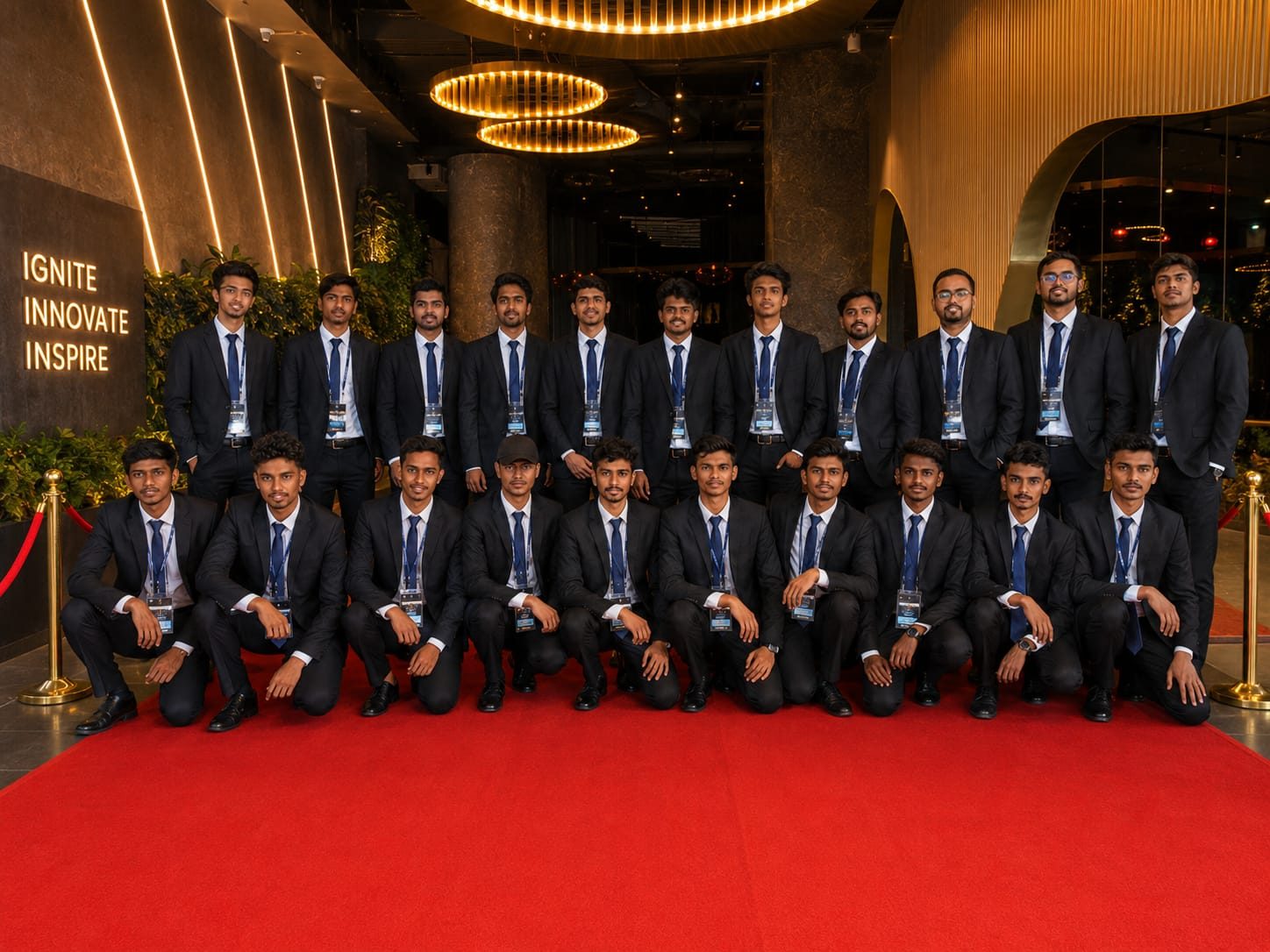
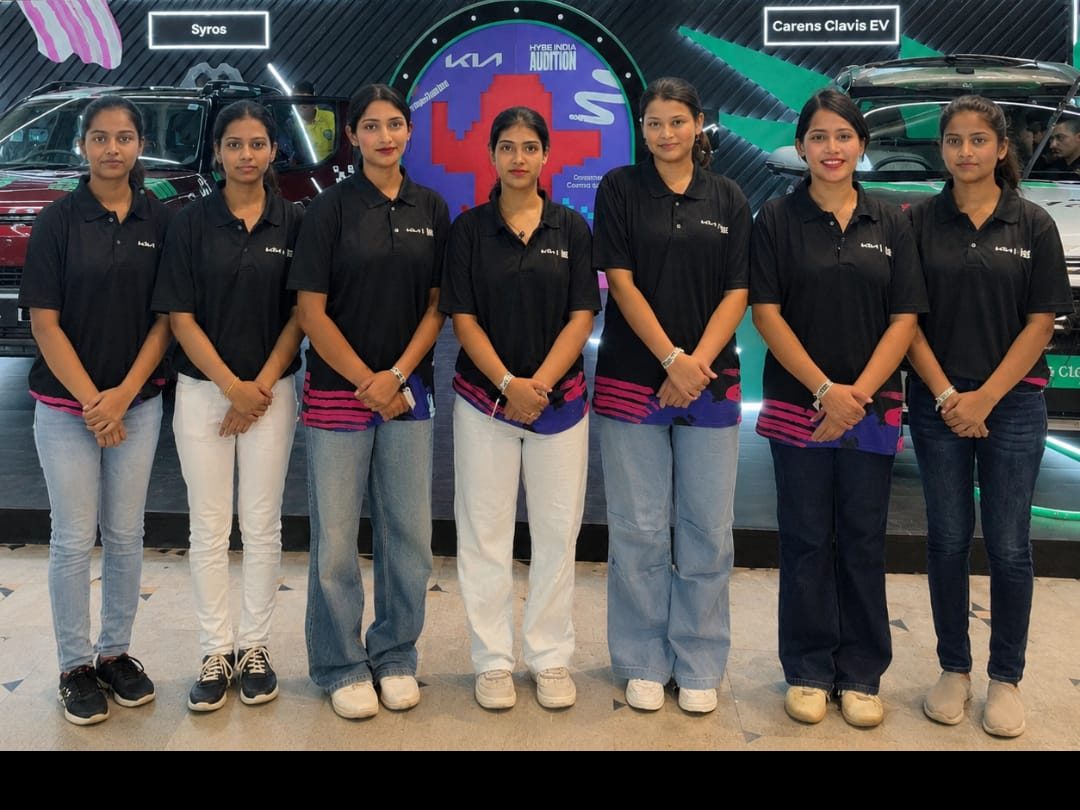
EventEdge Staffing provides managed event crews - hosts and anchors, brand promoters, registration desk teams, hospitality staff, guest relations and VVIP handling, valet staffing, crowd management, volunteers and event crew, plus event coordination support on site.
Crews scale from 5 to 500 staff per event, with live coverage in Bengaluru, Chennai, Mumbai, Delhi, Hyderabad and Kerala, and coverage being built in Kolkata, Pune and Goa. If you would rather compare models against a real requirement, send the brief and we will show you the itemised structure behind it.
You can read more on this site about what an event staffing agency actually does if you want the scope split before you start comparing. If you would rather start from your own requirement, send the brief and we will show you the structure behind the number.
Frequently asked questions
Is an event staffing agency more expensive than freelance crew?
The visible per-head rate is usually higher because it includes recruitment, briefing, uniforming, supervision and replacement cover. Whether it costs more for the whole event depends on how many coordination hours your team would otherwise spend.
Can I mix freelance crew with agency staff?
Yes, and many organisers do. A small freelance core for specialist roles plus an agency crew for front-of-house volume is a common structure, and the agency coordinator can brief both groups to one standard.
How many staff can an agency deploy compared to freelancers?
EventEdge crews scale from 5 to 500 staff per event, drawn from a bench of 100+ professionals on call. A freelance list usually has to be rebuilt for every change of scale.
What happens if an agency crew member does not report?
A replacement is drawn from the bench - already briefed to the same standard - so the gap is covered without your team making calls on event morning.
Which model suits a corporate event in Bangalore?
For corporate events with multiple front-of-house roles, a fixed reporting time and a uniform standard, the managed agency model is usually the better fit. For a handful of specialist roles, freelance can be perfectly adequate.