Event Staffing Cost Factors in Bangalore
What actually drives event staffing cost in Bangalore — role mix, shift length, headcount, venue distance, supervision scope and lead time — and how to compare quotes.
Fast quotation turnaround — itemised staffing proposals typically within 2 working hours, subject to receiving complete event requirements.
Send your briefEventEdge Staffing
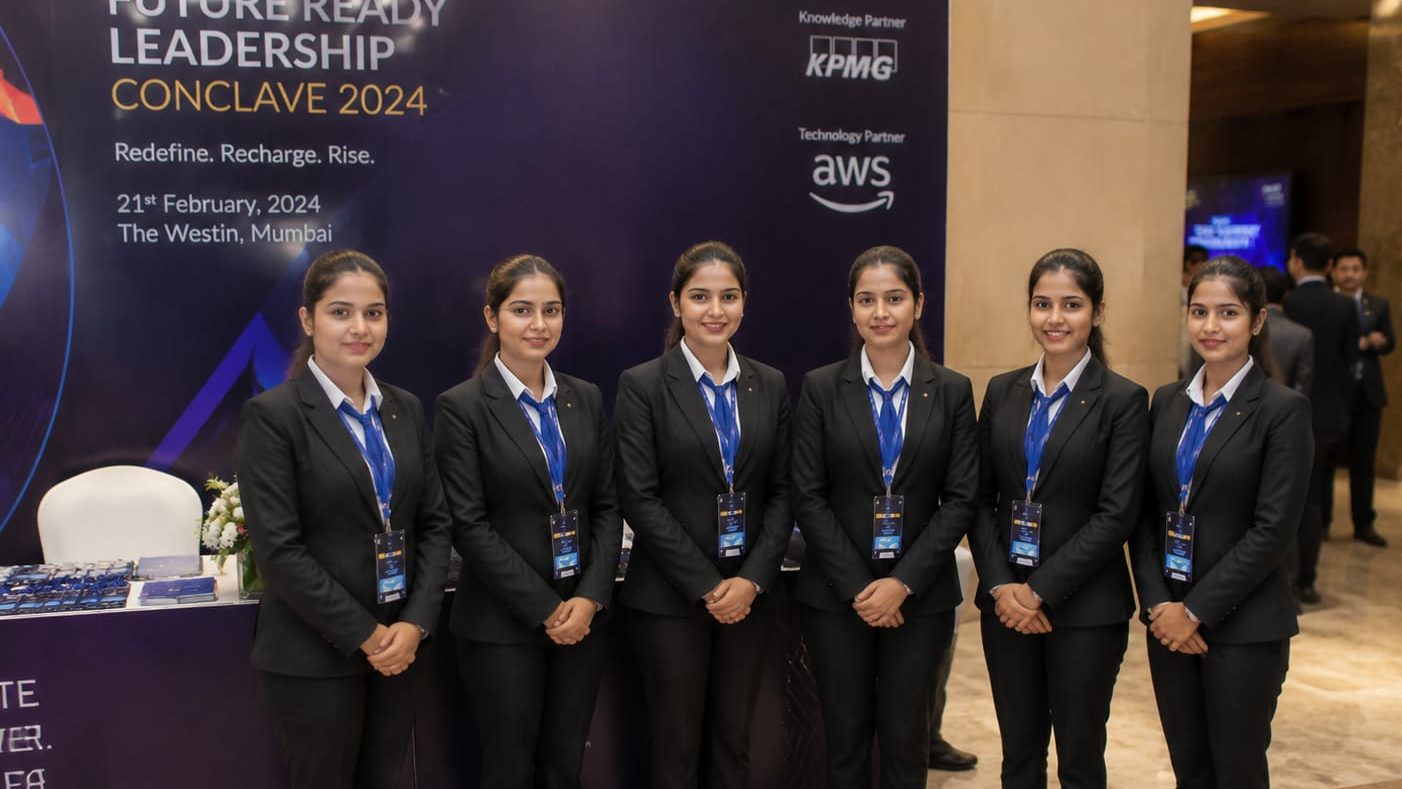
Corporate event staffing supplies the front-of-house and floor team for a business event — registration, ushering, hosting, hospitality and zone coordination. This page explains the roles involved, the standards corporate guests expect and how crew numbers are planned. Share your programme and delegate numbers to plan the team.
The figures below are planning estimates only, intended as a starting point for scoping. They are not a quotation and not a guarantee of any outcome. Final headcount is confirmed after we review the programme, delegate numbers, venue layout, arrival pattern and shift plan.
| Corporate event format | Indicative crew planning guide |
|---|---|
| Leadership town hall, up to 200 delegates | 6 to 10 crew across registration, ushering and hospitality |
| One-day conference, 300 to 600 delegates | 18 to 28 crew with a supervisor per zone |
| Award night, 400 to 600 guests | 20 to 30 crew including hosts, ushers and hospitality |
| Multi-day summit with parallel tracks | 30 to 50 crew planned by track, shift and handover |
| Senior leadership or board gathering | Slightly higher per-head cover for escort and discretion duties |
The clearest sign is a queue that grows while a desk stays at two people. Registration peaks are short, and a desk that opens light rarely recovers once arrivals begin in volume.
The second is an empty aisle with a crowded doorway. That pattern means floor staff are clustered near the entrance instead of being distributed by zone.
The third is your own team handling guest queries. If your event manager is directing people to the restroom, the front of house has not been staffed properly.
Corporate audiences notice process. Session timing, seat allocation and latecomer handling are expectations, not extras, and crew need to be briefed on the agenda rather than just their post.
Confidentiality is another difference. Product launches and internal meetings can carry information that should not be repeated, and the brief must say so explicitly.
The third difference is structure. Corporate events usually have an internal event manager, so crew must fit into an existing chain of command rather than run their own.
Two events with 400 delegates can need very different teams. A single-plenary conference has a straightforward arrival and one room to manage, while a parallel-track summit needs coverage in several rooms at once.
Breaks concentrate people. A short networking break loads the refreshment counters, the restrooms and the cloakroom simultaneously, and that moment should drive hospitality numbers.
The ratios above are planning guidance to frame the discussion. Confirmed headcount is issued in writing after your programme and venue plan are reviewed.
Most corporate programmes need registration and check-in, ushering and hall management, hosts for stage and speaker support, hospitality for lounges and refreshments, and at least one zone coordinator. The mix depends on whether delegates are attending a plenary, parallel tracks or an award dinner.
Yes. Crew report into the structure your event manager defines, with one coordinator as the interface so instructions are not duplicated or contradicted on the floor.
Confidentiality is part of the written brief. Crew are told what may not be discussed or photographed, and discretion is expected around leadership and board movements.
Yes. Multi-day programmes are planned by shift with a handover, so counters, halls and lounges are covered from first arrival to close each day.
The earlier the better for large teams, but short-notice requirements are assessed on availability. Share the brief and you will have an itemised quotation, typically within two working hours of complete requirements.
Planning notes
What actually drives event staffing cost in Bangalore — role mix, shift length, headcount, venue distance, supervision scope and lead time — and how to compare quotes.
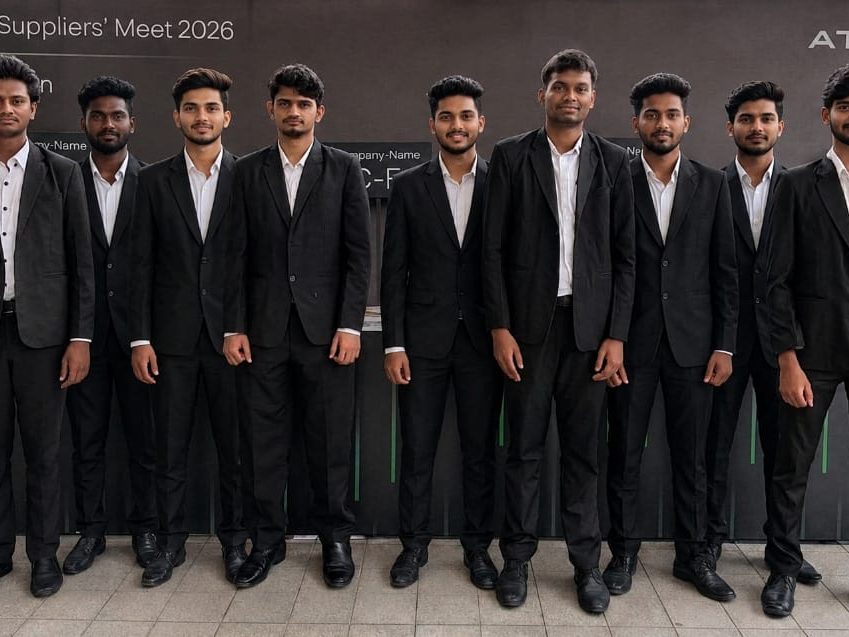
Trade shows are staffed to a different standard than conferences: higher volumes, longer days, tighter compliance. These are the seven requirements to meet before day one.
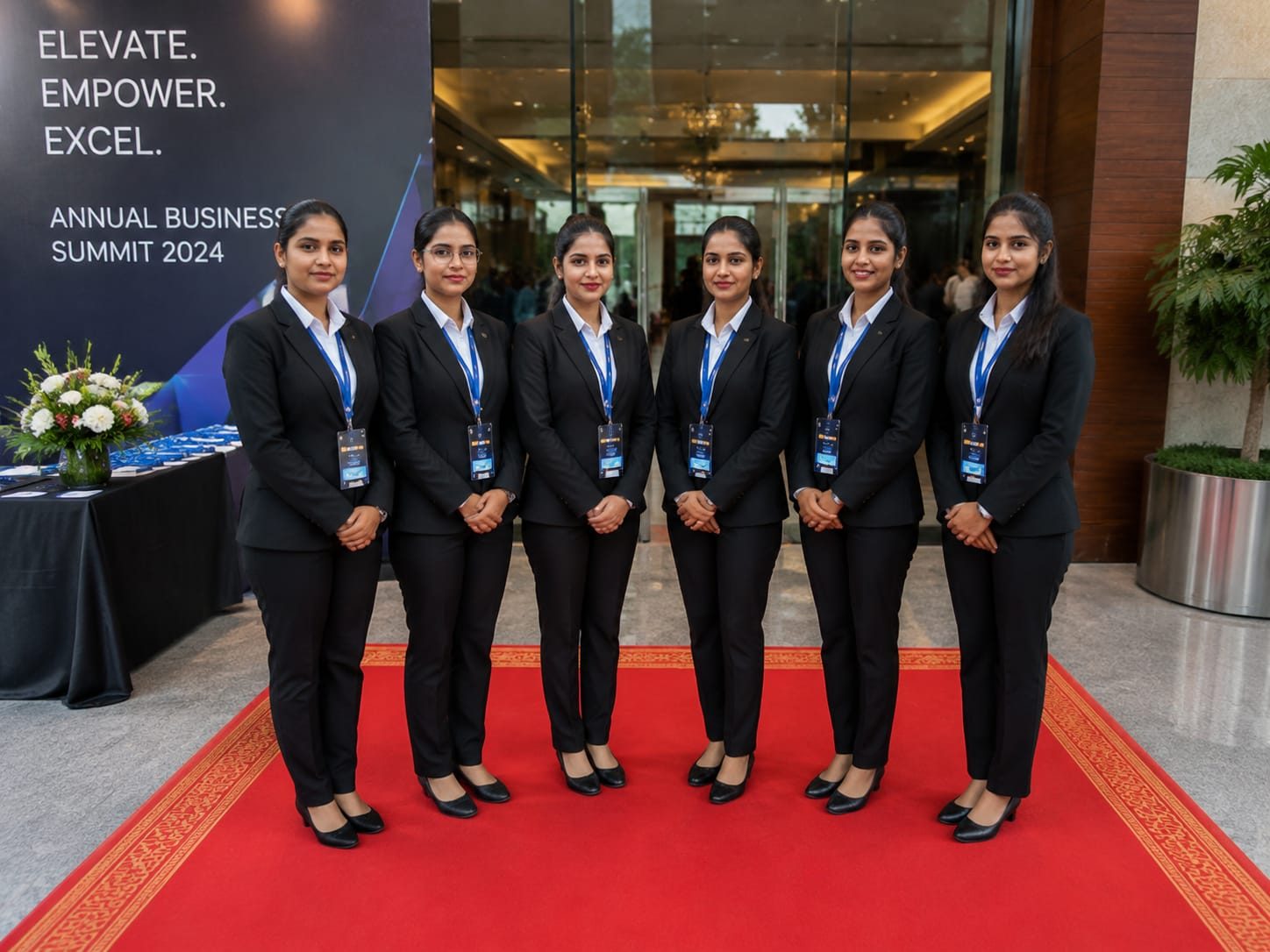
The briefing is what separates a deployed crew from a list of names. Here is what every pre-deployment briefing must cover, and how to run it consistently at scale.