Event host vs brand promoter: the difference
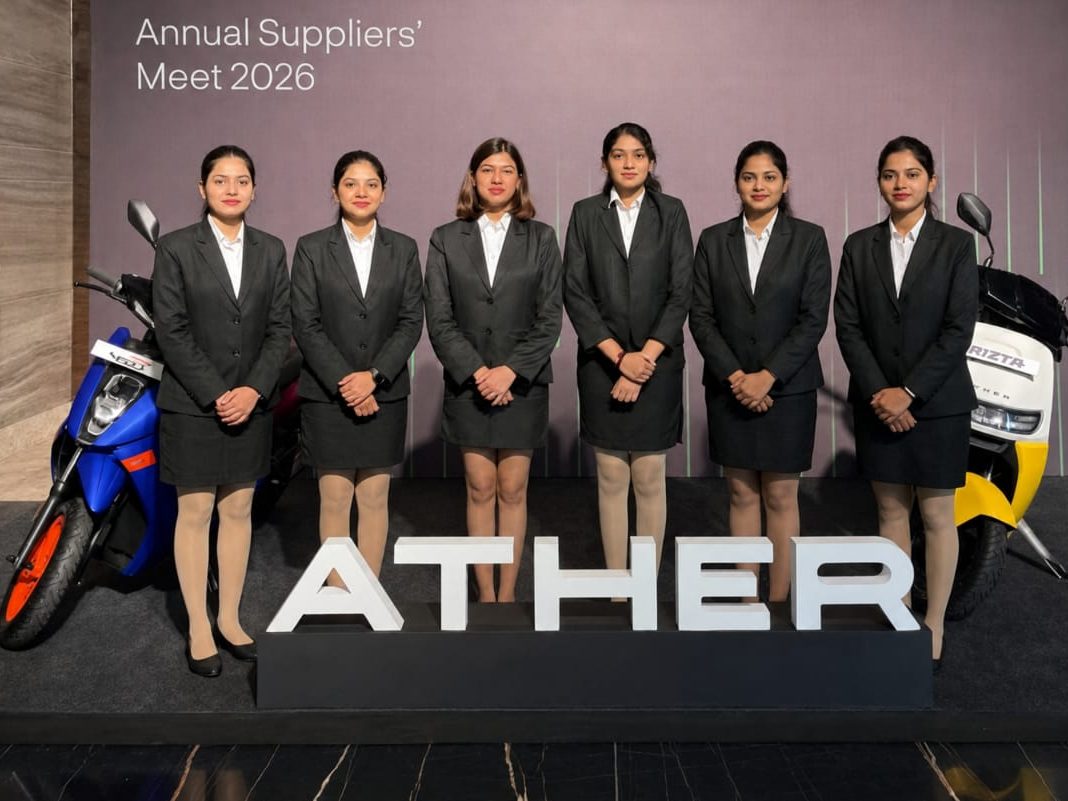
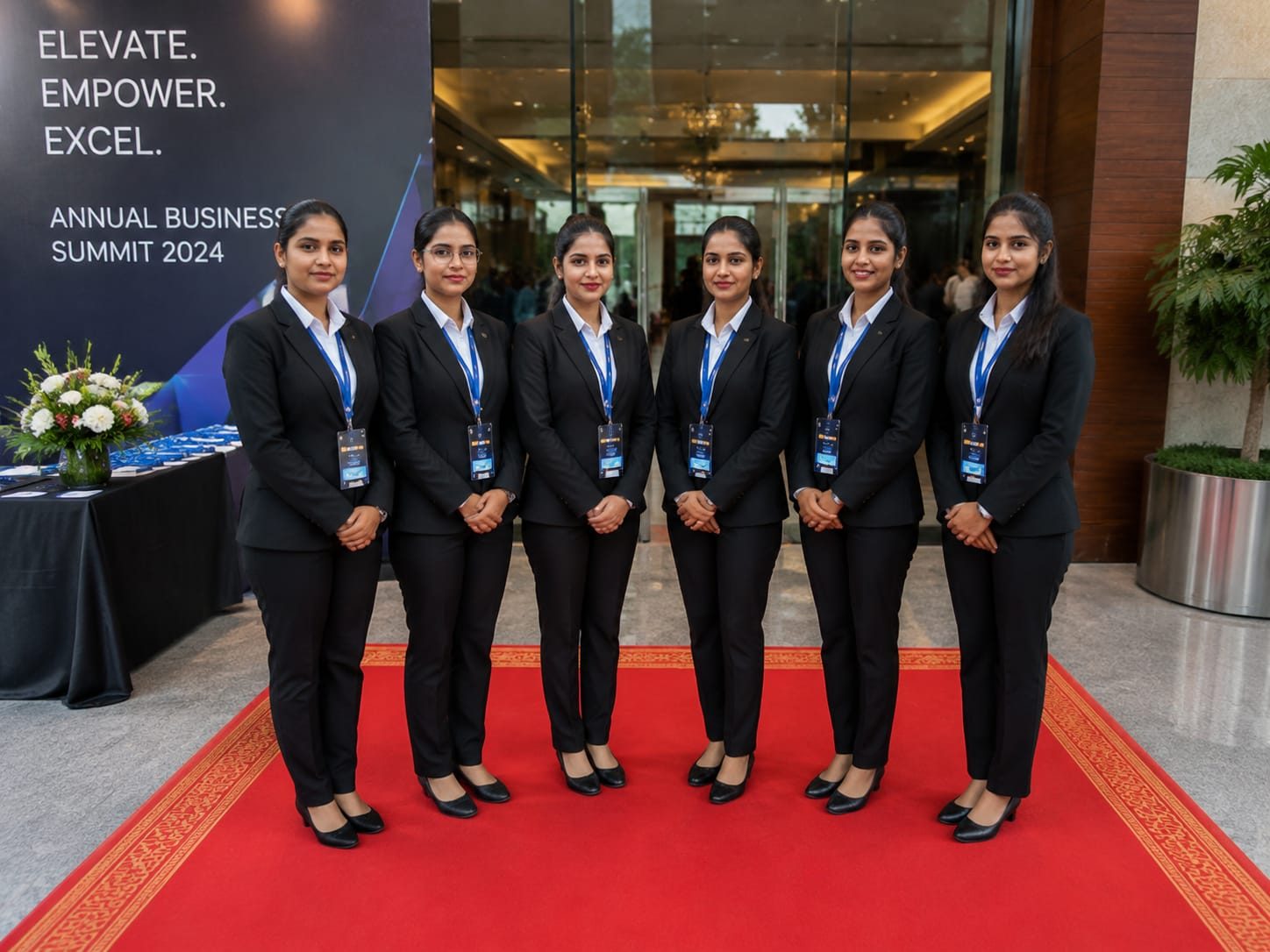
An event host runs the stage and the programme. They open the event, introduce speakers, hold the audience between segments, manage timing and keep the room's energy steady. A brand promoter works a counter, booth or kiosk. They start product conversations, demonstrate, handle objections and capture interest.
Both are guest-facing, both represent your brand, and both are usually deployed in uniform. Beyond that, the jobs diverge quickly. A host owns a microphone and a schedule. A promoter owns a pitch and a footfall target at a specific spot.
Getting the distinction right matters because the two roles are briefed differently, paid differently and measured differently. Sending a promoter to host an awards segment, or a host to run a sampling counter, produces a visible mismatch on the day.
What an event host actually does
Hosts and anchors are the thread that holds a programme together. On stage they carry the script, introduce speakers correctly, manage question flow and keep segments to time. Between sessions they hold the room during transitions that would otherwise go silent.
Off stage, a host supports the run-of-show — confirming the next speaker is in position, checking that the AV cue is ready, and flagging to your team when a session is running long. That second role is invisible to guests and essential to the schedule.
Hosts and anchors are briefed on names, pronunciations, titles, sponsor mentions and any content that must not be improvised. Accuracy matters more than charisma in this role.
- Opening and closing the programme to time
- Introducing speakers with correct names and titles
- Managing Q&A and audience interaction
- Holding the room through transitions
- Reading the script accurately, including sponsor mentions
What a brand promoter actually does
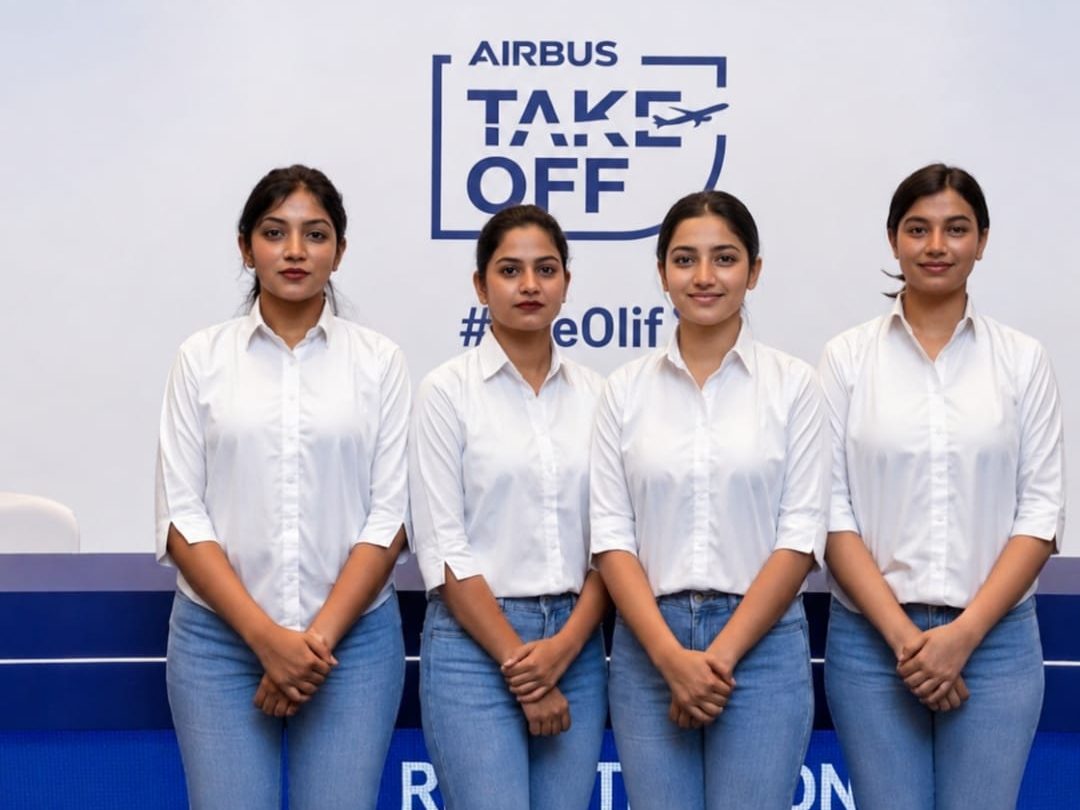
A promoter converts passing footfall into a conversation. They approach visitors, deliver the product pitch, run a demonstration, answer questions and hand qualified interest to the sales team. The work is repetitive by design and its quality shows in the quality of leads captured.
Promoters also need boundaries. They should know what they can claim about a product, what they must not promise, and where the pitch ends and the exhibitor's own team takes over. Without those boundaries, promises get made on the floor that no one can honour after the event.
Brand promoters are deployed at mall activation counters, trade show booths, roadshows, sampling stands and product launches. A promoter's success is measured by conversations started and leads captured, not by stage timing.
- Approaching visitors and opening a conversation
- Delivering the approved product pitch and demonstration
- Handling common questions and objections
- Capturing leads with the agreed device or form
- Handing qualified visitors to the sales team
Side-by-side comparison
The table below sets out the practical differences. Read it against your programme before you write the requirement, because the two roles are rarely interchangeable within a single event day.
Where both are needed, they should be listed as separate line items with separate briefings — even if the same uniform standard applies to both.
One more difference sits underneath all of these: what a good day looks like. A host has had a good day when the programme ran to time and every name was introduced correctly. A promoter has had a good day when the counter stayed busy, the pitch stayed consistent and the leads were captured cleanly. Measure the two roles differently and brief them accordingly, because a single role brief cannot cover both jobs.
| Dimension | Event host | Brand promoter |
|---|---|---|
| Primary output | A programme that runs to time | Product conversations and captured leads |
| Where they work | Stage, green room, backstage | Counter, booth, kiosk, activation zone |
| Core skill | Script accuracy, stage presence, timing | Pitch delivery, objection handling, persistence |
| Briefed on | Run-of-show, speaker list, pronunciation | Product facts, pitch boundaries, lead capture |
Where the two roles genuinely overlap
There is one honest area of overlap: greeting, wayfinding and general guest support. Both roles can welcome a guest, direct them to a hall or a counter, and represent the brand politely. At small events, that overlap is often enough to combine them into one person.
Beyond greeting, the overlap disappears. A host who is asked to run a sustained product pitch usually lacks the training to manage objections, and a promoter asked to anchor a stage programme will struggle with timing and script discipline.
Still, the overlap is worth using deliberately at small events, where one person can hold a short stage segment and then move to the counter without a change of crew.
If you are running a compact event with a short stage segment and a small activation area, one strong all-rounder can cover both. If either element is substantial, split the roles.
- Greeting and welcoming guests
- Wayfinding to halls, counters and lounges
- Polite brand representation in the agreed uniform
How to decide which role your event needs
Ask one question first: is there a stage programme or a product conversation? If the event has scheduled segments on a stage, you need a host. If there is a counter, booth or activation zone where visitors must be engaged, you need promoters.
Most combined events — product launches, brand activations, award nights with a showcase — need both. In that case, define the headcount separately for each role and state clearly in the brief who hands over to whom during the transition from stage to floor.
Where the budget is tight, protect the host role. A programme that runs over time affects every guest in the room, while a slightly thinner promoter team usually affects only lead volume.
- Stage programme with scheduled segments — book a host
- Counter, booth or activation zone — book promoters
- Launch plus showcase — book both, with a clear handover
- Short welcome remarks only — an experienced all-rounder can cover it
- Heavy lead-capture target — protect the promoter headcount
Skills to look for when hiring
For a host, prioritise language fluency, pronunciation accuracy and the ability to stay composed when a speaker runs late or an AV cue fails. Stage experience matters more than appearance, and interview the shortlist rather than accepting a name from a list.
For a promoter, prioritise energy, product comprehension and resilience under repetition. Promoters who can hold the same pitch for six hours while sounding fresh are worth more than promoters who deliver one excellent first hour.
Both roles need the same baseline: punctuality, correct uniform, and the discipline to escalate rather than improvise. Build those expectations into the briefing document rather than leaving them to the crew member's judgement.
Test both roles before the event. Ask a host to read a speaker introduction aloud, and ask a promoter to deliver the pitch twice in a row without sounding rehearsed. Five minutes of testing tells you more than a résumé.
- Language fluency and pronunciation accuracy for hosts
- Stage composure when a segment runs late
- Energy and product comprehension for promoters
- Punctuality, uniform discipline and escalation judgement
Briefing differences that matter
Hosts need the run-of-show, the speaker list with correct titles and pronunciations, the sponsor mentions that must be read exactly, and instructions on what to do if a segment overruns. They also need to know who gives them the cue for each segment.
Promoters need product facts, the approved pitch, the demonstration sequence, lead-capture instructions and the boundaries of what they may claim. They also need the escalation route for a serious product question they cannot answer.
Both should receive the standard deployment briefing: how to reach the venue and which gate to use, what the role does hour by hour, dress code, and the escalation path. EventEdge briefs every crew before deployment so that hosts and promoters arrive knowing which job they are there to do.
Where the same event uses both roles, sequence the briefings together so each knows exactly where the other takes over. A product launch usually hands from the stage programme to the showcase floor within minutes, and that handover is the moment most events lose their rhythm. Agree a signal between them, whether it is a cue from the host or a fixed time on the run sheet, rather than leaving the transition to improvisation.
Frequently asked questions
Can one person be both an event host and a brand promoter?
At small events with a short stage segment and a compact activation area, one strong all-rounder can cover both. Where either element is substantial, split the roles and brief them separately.
Which role should I book for a product launch?
Most product launches need both: a host to run the stage programme and promoters to manage the showcase counter and visitor engagement.
Are event hosts the same as emcees or anchors?
They sit in the same family. EventEdge supplies hosts and anchors who carry the script, introduce speakers and hold the programme to time.
Do promoters need product training?
Yes. Promoters should be briefed on product facts, the approved pitch and the boundaries of what they may claim, with an escalation route for questions they cannot answer.
How do I request both roles for one event?
List them as separate line items with separate headcounts, reporting times and briefing notes. Itemised quotations are typically returned within two working hours once the requirements are complete.